No Mud No lotus
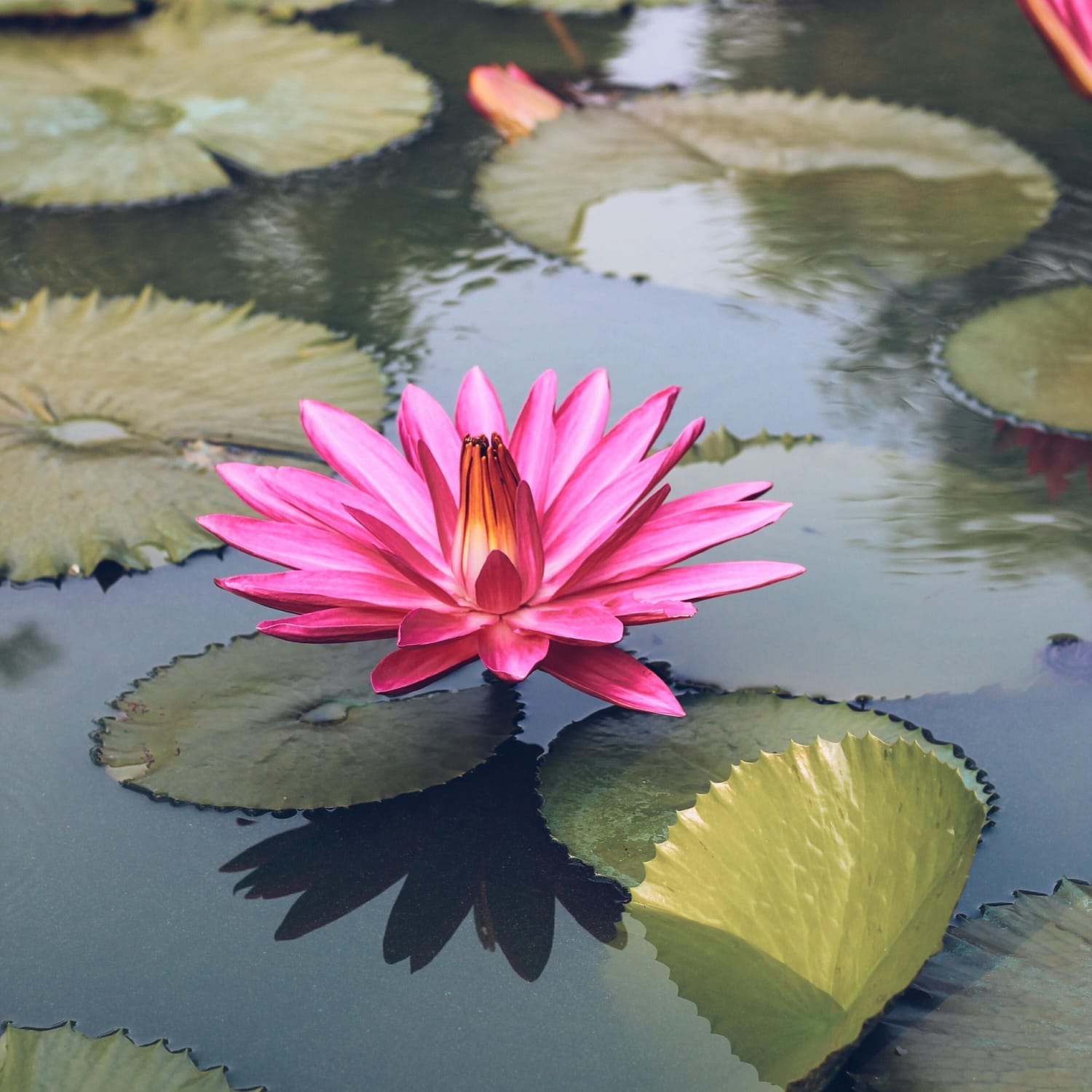
This weekend, I walked near Crofton Lake, soaking in the beauty of the towering trees, the mirrored water, and, of course, the deep, thick mud. At this time of year, early March, many of the trails are more mud than path.
Every step squelched, my boots sinking down, demanding more effort, more awareness.
It reminded me of one of my teachers, Thich Nhat Hanh, and his wisdom: No Mud, No Lotus.
The lotus, a symbol of beauty and awakening, only grows in the deepest, murkiest waters. Without the mud, there is no flower. Without that darkness, that compost, that moisture, no lotus would bloom.
The Mud of Life (and the Body)
There is plenty of “mud” in the world right now—as a result I like to go on News Fasts. That mean no news, no radio, so that I am choosing what input goes into my system. I have for decades, been pretty choosy about what I put in my system in terms of food. In terms of movement (thank you yoga), and so recently I have avoided overloading on my news intake.
Then a friend told me about some craziness that was going on on the global stage. I opened up several news channels and got a view of the world, or rather I should say The Mud. Yes, it seems today that the world around us will show us lots and lots of mud. Uncertainty, struggle, discomfort.
As we age, our joints accumulate their own kind of mud—stiffness, restriction, aches, and pains. The easy movements we once took for granted start to feel difficult. Our bodies resist certain positions, preferring well-worn paths instead of exploring the unknown.
And yet, just like the lotus, mobility and renewal come through this discomfort, not by avoiding it.
Using the Mud: Yoga for Joint Renewal
Kaiut Yoga teaches us that instead of forcing movement or chasing flexibility, we need to meet our limitations with patience, curiosity, and attention. It’s about working with the body where it is—not where we wish it were.
Here are three ways to work with your "mud" to encourage joint renewal:
1. Sink Into Stillness
Much like the mud beneath my boots, the body holds onto tension in places we rarely pay attention to. Instead of rushing into a deep stretch, pause in a position that feels slightly uncomfortable. It could be sitting cross-legged, lying with legs up the wall, or holding a supported squat. Let yourself settle. Breathe into the discomfort without forcing a change. Often, the biggest release comes from staying, not pushing.
2. Find Movement in the Stuck Places
Instead of large, dynamic movements, explore micromovements in tight joints. Try this:
Lie on your back with knees bent and feet on the floor.
Slowly lift one foot an inch and lower it.
Notice how your hip, knee, and ankle respond.
Repeat on the other side.
Small, subtle movements help awaken deep layers of restriction—like softening thick mud so something new can emerge.
3. Trust the Process
When a joint feels tight or stiff, we often assume something is wrong. But what if that sensation isn’t a problem but an invitation? The body isn’t broken; it’s adapting, reorganizing, doing its best with what it has. Instead of fighting stiffness, meet it with kindness. Use gentle, sustained holds to allow your body time to adjust. Over time, space returns, movement improves, and—like the lotus—something beautiful unfolds.
Let the Lotus Bloom
Life and movement are not about avoiding difficulty but learning to lean in and trust it will change. The mud of struggle, stiffness, and challenge is also the soil of transformation.
So next time you feel stuck—physically, emotionally, or even out on a muddy trail—remember: No Mud, No Lotus.
Keep going. Growth is already happening.