Yoga and death
Inhale.
Exhale.
This simple rhythm carries us from the moment we're born to the moment we die.
The first thing we do in life is take a breath—and the last thing we do is release one. In between, our breath is a constant companion, an invisible thread that connects us to the deeper cycles of nature, change, and impermanence.
In Joint Renewal Yoga, grounded in the Kaiut Method, we return to this essential truth—not as an abstract philosophy, but as a felt experience in the body. Kaiut Yoga, with its slow, sustainable movements and nervous-system-based approach, invites us into a deeper conversation with our breath, our body, and our mortality.
Through this practice, we’re not just maintaining mobility or reducing pain. We’re preparing to live—and to die—well.
The Breath: is a microcosm of Life and Death
Each inhale arrives full of possibility, expanding our lungs, lifting our chest, awakening our presence. And each exhale softens, releases, fades. In every breath cycle, we encounter a mini version of life and death: beginning, fullness, letting go, and quiet.
Yoga teaches us to stay present in this dance, to witness it without rushing or resisting. It becomes a practice of acceptance—of being with what is, rather than grasping at what was or fearing what’s to come. When we tune into the breath with this level of awareness, we begin to understand how intimately connected we are to the larger rhythms of nature and time.
Slowing Down in a Speed-Obsessed World
We live in a world that rarely pauses. Our days are artificially extended with electric light. The seasons shift, but we barely notice. The body whispers its needs, and we often ignore them—until it yells.
But Kaiut Yoga brings us back. It slows us down. In that quiet stillness, the mind settles, the nervous system unwinds, and we begin to notice. We begin to feel. We begin to remember what it means to be in a body that is not a machine, but a living, breathing organism—one that ages, changes, and eventually dies.
And that’s not a problem to solve. It’s something to honor.
Letting Go as a Sacred Practice
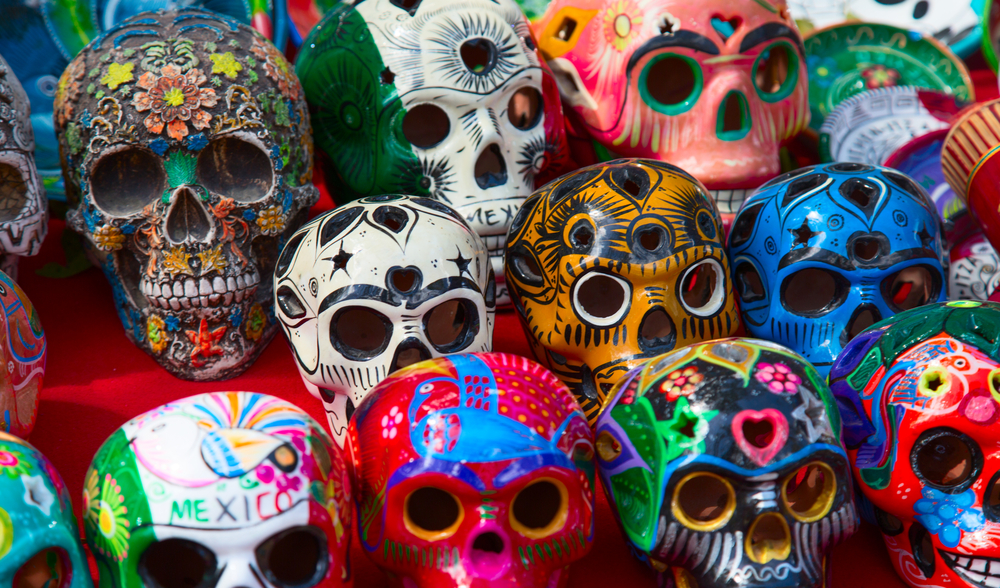
Many spiritual traditions embrace the truth of death, not to glorify suffering, but to deepen the joy of being alive. The Buddhist might keep a skull on the altar. The Hindu reveres Kali, goddess of destruction and rebirth. These aren’t morbid gestures—they are reminders of impermanence, and therefore, of the preciousness of now.
In yoga, letting go is one of the most powerful postures we practice. Whether it’s releasing tension in the hips, or surrendering an old belief about what our body “should” be able to do, we are engaging in the art of dying well.
We’re acknowledging that not everything comes with us on the journey. Some things—some roles, ideas, fears—have served their time. And when we consciously release them, we make room for something new.
This is the quiet wisdom of Joint Renewal Yoga. It’s not about perfect poses or pushing limits. It’s about becoming more alive by becoming more attuned to the natural cycles within and around us. It’s about learning to meet change—whether it's the change of a stiff joint easing open or the change of a season passing—with curiosity and grace.
Living More Fully, Dying More Consciously
To embrace the truth that we will die is not to be pessimistic—it’s to wake up to what matters most. When we stop pretending we’re immortal, we stop wasting time. We start paying attention. We deepen our connections. We move with purpose. We breathe with reverence.
The Kaiut Method gives us a pathway into this awareness through the body. Through breath. Through stillness. Through discomfort and release. It reminds us that every stretch, every pose, every pause is an opportunity to practice being here.
Now.
Alive.
And when the time comes, perhaps we will breathe out—our final exhale—not in fear, but in peace.